
Business and Commercial Insurance - Industry-Specific Packages
Industry-Specific Packages Overview
Customized insurance solutions built around the unique needs of your industry across Winnipeg and beyond.
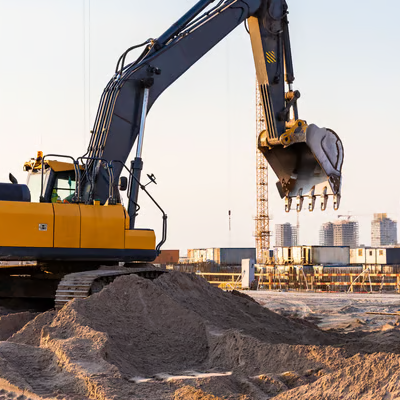
Contractors / Construction Insurance
Contractor Coverage
Coverage for job sites, tools, and liability risks faced by contractors.
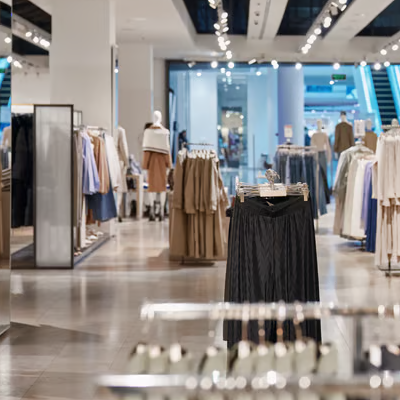
Retail Store Insurance
Retail Protection
Protects inventory, storefronts, and customer interactions for retail businesses.

Restaurant / Hospitality Insurance
Hospitality Coverage
Covers kitchens, equipment, and liability risks in fast-paced hospitality environments.
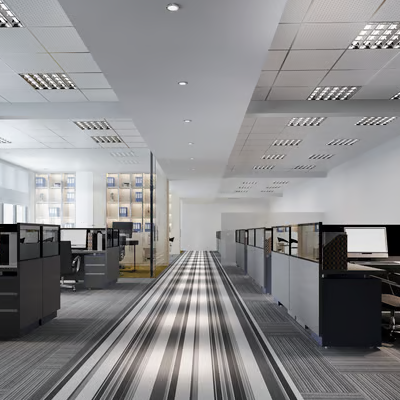
Professional Office Insurance
Office Protection
Designed for offices, covering equipment, liability, and daily operations.
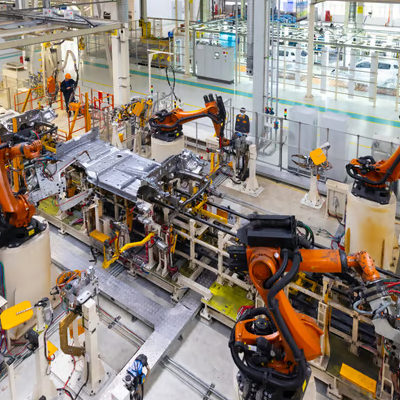
Manufacturing Insurance
Manufacturing Coverage
Protection for machinery, production lines, and supply chain risks.

Agriculture / Agribusiness Insurance
Farm Protection
Supports Manitoba farms and agri-businesses with coverage for equipment, buildings, and operations.
Frequently Asked Questions
Contractors & Construction Insurance
What insurance does a contractor actually need in Manitoba? At minimum, most contractors need commercial general liability, tools and equipment coverage, and, if you have staff, workers compensation through WCB Manitoba. Depending on the work, you may also need builder’s risk coverage for projects under construction and errors & omissions if you’re providing design or specification advice.
Does contractor’s insurance cover subcontractors? Not automatically. Whether your policy extends to cover work done by subs, or whether you need proof of their own insurance before they step on site, depends on how your policy and contracts are structured. This is one of the most common gaps we catch, because it’s easy to assume subs are “covered” when they’re not.
What is builder’s risk insurance and do I need it for every project? Builder’s risk covers a structure while it’s under construction or renovation, including materials and work in progress, and sometimes theft from the site. It’s usually project-specific rather than a standing annual policy, so the answer depends on your project size and whether the client or lender is requiring proof of it.
Do I need proof of insurance for every job, or just larger contracts? Increasingly, general contractors, municipalities, and even homeowners are asking for a certificate of insurance before work starts, regardless of job size. It’s worth having your policy set up so you can produce a certificate quickly rather than scrambling before a job.
What’s the difference between general liability and professional liability for a contractor? General liability covers physical damage or injury caused by your work, like a burst pipe or a fall on site. Professional liability (errors & omissions) covers financial loss from a mistake in judgment, design, or advice, for example if a project was built to a spec that turned out to be flawed. Most contractors need general liability at minimum; whether you need E&O depends on how much design or planning work you take on.
Retail Store Insurance
What does commercial insurance for a retail store typically cover? A standard retail package covers your building (if owned) or leasehold improvements (if leased), inventory and contents, business interruption if you have to close after a covered loss, and general liability for customer injuries on-site.
Does retail insurance cover stolen inventory? Theft coverage, including shoplifting and break-ins, is usually part of a retail commercial package, though limits and deductibles vary. If your inventory value fluctuates seasonally, that’s worth flagging so your coverage limit actually matches what’s on your shelves at any given time.
What happens if my store has to close temporarily after a fire or water damage? This is what business interruption coverage is for. It replaces lost income and can cover ongoing expenses like rent and payroll while you’re closed for repairs. It’s one of the most overlooked pieces of retail coverage until the year you actually need it.
Do I need separate coverage if I sell products online as well as in-store? Often yes, or at minimum your policy needs to reflect that you’re shipping product and handling online transactions, since that changes your liability and inventory exposure. Worth reviewing if your business has added an online channel since your policy was last set up.
Am I covered if a customer is injured in my store? General liability covers this, but the details, such as medical payments coverage, product liability if the injury involves something you sold, and slip-and-fall specifics, depend on your policy. It’s worth confirming your limits actually match your foot traffic and product mix.
Restaurant & Hospitality Insurance
What insurance does a restaurant need beyond general liability? Restaurants typically need equipment breakdown coverage (walk-in coolers, ovens), spoilage coverage for food loss, liquor liability if you serve alcohol, and business interruption. General liability alone doesn’t cover most of the risks specific to running a kitchen.
Does restaurant insurance cover food spoilage from a power outage or equipment failure? Spoilage coverage is typically a separate add-on, not automatically bundled into a basic policy, and given how quickly a walk-in failure or extended outage can wipe out inventory, it’s one of the first things we check when reviewing a restaurant’s coverage.
Do I need liquor liability insurance if I only serve beer and wine? Yes. Liquor liability applies to serving any alcohol, not just spirits. If your establishment serves alcohol in any form, this is a distinct coverage from general liability and needs to be added specifically.
What’s covered if a customer gets sick after eating at my restaurant? This falls under product liability, which is typically included within a restaurant’s general liability coverage, but limits and specifics vary by policy. It’s a conversation worth having directly given how serious a foodborne illness claim can become.
Does my policy cover a kitchen fire or grease fire? Property coverage generally applies, but restaurants have specific requirements around fire suppression systems and equipment maintenance that insurers expect to be met, and falling short on those can affect a claim. We’ll walk through what your policy requires so there are no surprises.
Professional Office Insurance
What insurance do professional offices need beyond general liability? Most professional offices need errors & omissions (professional liability) in addition to general liability. General liability covers physical injury or property damage, while E&O covers claims that your professional advice or service caused a client financial harm.
Do I need cyber liability insurance for a small professional office? It’s increasingly common, and not just for large firms. If your office stores client data, handles payments, or communicates sensitive information electronically, a data breach or ransomware incident can create real financial and reputational exposure. This is worth a direct conversation regardless of office size.
What’s the difference between general liability and professional liability (E&O) for an office? General liability covers things like a client slipping in your reception area. Professional liability covers a claim that your work itself, whether that’s advice given, a report prepared, or a service delivered, caused a client a financial loss. Most professional offices need both, not one or the other.
Does my office insurance cover remote or hybrid employees? This depends on how your policy is structured, and it’s a question more offices are asking since hybrid work became common. Worth confirming directly whether your current coverage extends to employees working outside your physical office.
Do I need business interruption coverage if my work is mostly digital? Yes. A fire, flood, or extended outage can still shut down operations even if your work happens on a computer. Business interruption coverage isn’t just for businesses with physical inventory.
Manufacturing Insurance
What does commercial insurance for a manufacturer typically include? A manufacturing package usually covers the building and equipment, business interruption, product liability (in case something you make causes harm or damage downstream), and often equipment breakdown coverage for production machinery. Given how much specialized equipment is usually involved, this tends to be one of the more customized policy types we build.
Does manufacturing insurance cover equipment breakdown, not just physical damage? Equipment breakdown is typically a separate coverage from standard property insurance. It covers mechanical or electrical failure of machinery, not just fire or external damage. For a manufacturer, this is often one of the most important pieces of the whole policy.
What is product liability insurance and do I need it as a manufacturer? Product liability covers claims that a product you manufactured caused injury, damage, or loss after it left your facility. If you manufacture anything that gets sold, installed, or used downstream, this is generally essential rather than optional.
Does my policy cover business interruption if a key piece of equipment goes down? It can, if you have equipment breakdown coverage paired with business interruption. The combination is what protects you against both the repair cost and the lost production time. These are worth reviewing together rather than assuming one covers the other.
Do I need different coverage if I export products outside Manitoba or Canada? Potentially, yes. Product liability exposure and legal requirements can shift depending on where your products end up. If you’re shipping outside the province or country, that’s worth flagging so your coverage keeps pace with where your product actually goes.
Agriculture & Agribusiness Insurance
How is agribusiness insurance different from farm property insurance? Farm property insurance typically covers the physical farm, including buildings, equipment, and the residence. Agribusiness insurance is built for the commercial operation side: processing, value-added production, selling to third parties, employees, and the liability that comes with running an agricultural business rather than just owning agricultural property.
Does agribusiness insurance cover crop loss? Crop insurance is typically a separate, often government-linked program (through Manitoba Agricultural Services Corporation) rather than something bundled into a standard commercial policy. We can help you understand how your commercial coverage and crop insurance fit together rather than assuming one covers what the other doesn’t.
What liability coverage does an agribusiness need that a typical business doesn’t? Agribusiness liability often needs to account for things like livestock-related incidents, custom work performed for other farms, chemical or fertilizer application, and visitors or hired help on working land, risks that don’t show up in a standard commercial liability policy.
Do I need separate coverage if I process or sell value-added products from my farm? Yes, generally. Moving from raw agricultural production into processing, packaging, or direct sales (think a farm-to-table operation or a value-added product line) changes your risk profile and usually requires additional product liability and commercial coverage beyond standard farm insurance.
Does agribusiness insurance cover employees and seasonal or temporary workers? It should, but seasonal and temporary staffing has its own requirements, including WCB Manitoba obligations and liability exposure that changes with headcount. If your operation brings on seasonal help, that’s worth reviewing so your coverage and your obligations actually line up.
Coverage varies by policy and operation, contact us for specifics.