
Home & Property Insurance
Protecting more than just your home
Your home is where life happens. It’s where you make memories, keep the things that matter, and come back to at the end of the day. It’s worth protecting.
Whether you’re insuring your first home in Winnipeg, a rental property, a seasonal cottage, or a high-value home, Garriock Insurance can help you find coverage that fits your needs and your life. We’ll explain what you’re covered for, where you may have gaps, and help you choose the protection that makes sense for you.
Because when something unexpected happens, you want to know your home, your belongings, and your financial future are protected.
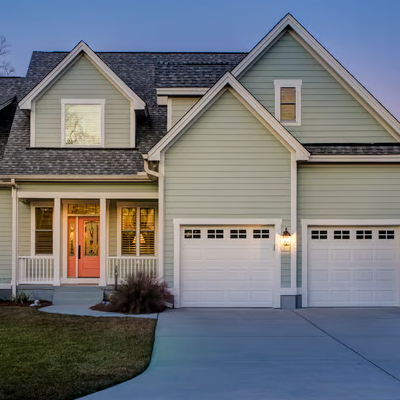
Homeowners Insurance
Family Protection
Comprehensive coverage for your home, personal belongings, and liability. Ideal for Winnipeg homeowners looking for reliable protection against fire, theft, and unexpected damage.
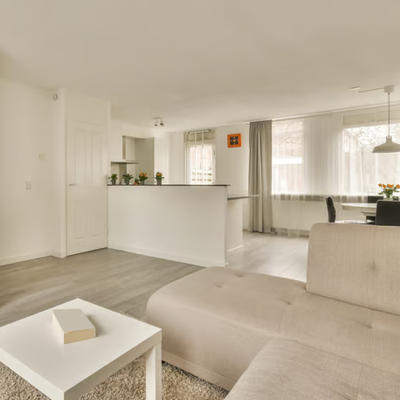
Tenant / Renters Insurance
Contents Coverage
Protects your personal belongings and liability as a renter. Affordable peace of mind for families and individuals renting in Winnipeg and across Manitoba.

Condo Insurance
Unit Protection
Covers your unit, upgrades, and personal items while complementing your condo corporation’s policy.
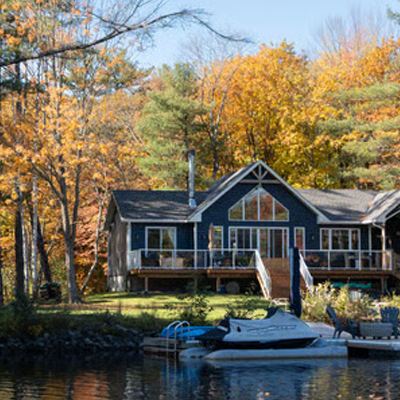
Seasonal / Cottage Insurance
Vacation Coverage
Protection for cottages and seasonal homes, including risks like weather damage and theft while the property is unoccupied.

Farm / Rural Property Insurance
Rural Protection
Designed for farms and rural properties, covering homes, outbuildings, equipment, and unique risks across Manitoba and the Prairies.

Rental Property / Landlord Insurance
Rental Protection
Coverage for property owners renting out homes or units, including building protection and liability for tenants.

Personal Umbrella Liability
Extra Liability
Provides additional liability protection beyond your home and auto policies, giving Winnipeg families extra financial security.
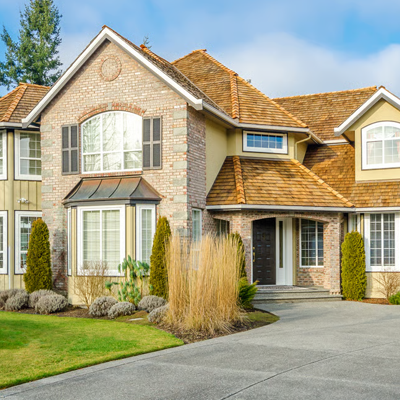
High-Value Home Insurance
Premium Coverage
Enhanced protection for luxury homes, offering higher limits and specialized coverage for valuables.
Let's Get
You Covered.
Whether you know exactly what you need or would rather talk it through with a broker, we’re here to help.
FAQ: Home & Property
Homeowners Insurance
Is homeowners insurance mandatory in Manitoba?
It’s not required by law, but almost every mortgage lender requires it as a condition of your loan. Even if you own your home outright, going without coverage means you’re personally on the hook for the full cost of a fire, water damage, theft, or a liability claim.
What does homeowners insurance actually cover?
Standard policies cover four main things: your dwelling (the structure itself), your personal belongings, additional living expenses if you can’t live in your home after a covered loss, and liability if someone’s hurt on your property. The exact limits and add-ons vary a lot by insurer, which is why it’s worth having a broker compare policies rather than just price.
Does homeowners insurance cover overland flooding?
Not automatically. Overland flood coverage is a separate endorsement you need to add, and given Manitoba’s flood history — the Red River, spring runoff, ice jams — it’s one we recommend most homeowners at least get a quote on, even outside high-risk zones.
What’s the difference between replacement cost and actual cash value?
Replacement cost pays what it costs to rebuild or replace your home and belongings today, with no deduction for age or wear. Actual cash value factors in depreciation, so a 10-year-old roof gets paid out at its depreciated value, not what a new one costs. Most homeowners are better served by replacement cost coverage — ask us which your policy has, because it’s not always obvious from the declarations page.
How much does homeowners insurance cost in Manitoba?
It depends on your home’s age, construction, location, claims history, and coverage limits — there’s no single number. What we can tell you is that a lot of homeowners are paying for coverage they don’t need, or missing coverage they do, simply because they never had someone walk through the policy with them. That’s the conversation worth having before you renew.
Tenant Insurance
Do I need tenant insurance if my landlord has insurance?
Yes. Your landlord’s policy covers the building — it doesn’t cover your belongings, and it doesn’t cover you if you’re found liable for damage (a kitchen fire, a bathtub overflow into the unit below). Tenant insurance is what protects you.
What does tenant insurance cover?
Your personal belongings against theft, fire, and water damage; liability if you accidentally damage the building or someone’s injured in your unit; and additional living expenses if your rental becomes unlivable and you need to find somewhere else to stay temporarily.
Is tenant insurance expensive?
It’s usually the most affordable policy type we write — often a few dollars a day. Given what it protects, it’s one of the easiest recommendations we make.
Does tenant insurance cover my roommate’s belongings?
Only if they’re named on the policy. If you’re splitting a rental with a roommate, it’s worth confirming whether you need two separate policies or can be co-insured — we can walk you through which makes more sense for your situation.
Condo Insurance
Isn’t my building’s condo corporation insurance enough?
No — and this is one of the most common gaps we see. The corporation’s master policy covers common areas and the building structure as defined in your bylaws, but it doesn’t cover your unit’s interior finishes, your belongings, or your personal liability. You need your own policy on top of it.
What is condo “loss assessment” coverage and do I need it?
If the condo corporation’s master policy has a shortfall after a major claim — say a fire in common areas — the corporation can assess each owner for their share of the gap. Loss assessment coverage protects you against that bill. Given how large those assessments can run, we recommend it for nearly every condo owner we work with.
Does condo insurance cover unit improvements like renovated kitchens or flooring?
It can, but only up to the limit you’ve set — and that limit needs to reflect what you’ve actually put into the unit, not the builder-grade finishes it came with. If you’ve renovated, this is worth reviewing so your coverage keeps up with your unit.
What’s the difference between condo insurance and homeowners insurance?
Condo insurance is built around the fact that a corporation insures the building shell and common areas, so your policy fills the gap: unit interior, contents, liability, and loss assessment. Homeowners insurance covers the whole structure because there’s no corporation policy sitting underneath it.
Seasonal & Cottage Insurance
Is my cottage covered under my regular homeowners policy?
Usually not — or not fully. Seasonal properties have different risk profiles (vacancy periods, remote locations, well/septic systems, sometimes limited fire response), so most insurers require a separate seasonal property policy rather than an add-on to your primary home.
Does seasonal insurance cover the property when it’s unoccupied for months at a time?
This is exactly what seasonal policies are built for, but coverage terms often depend on how long the property sits vacant and whether you meet requirements like winterizing plumbing or having someone check on it periodically. We’ll walk through what your specific policy requires so a claim doesn’t get denied on a technicality.
What’s different about insuring a cottage on Lake of the Woods, Winnipeg Beach, or Gimli versus a year-round home?
Water proximity, seasonal access, well and septic systems, and sometimes limited or volunteer fire department coverage all factor into how these properties are underwritten. It’s not necessarily more expensive, but it needs to be set up correctly from the start — this is an area where a generic online quote often misses details a local broker catches.
Do I need separate insurance for a boat or dock at my cottage?
Often yes. Watercraft and detached structures like boathouses or docks may need to be scheduled separately or added as endorsements. Worth flagging when we set up your seasonal policy so nothing’s left uncovered.
Rental Property & Landlord Insurance
How is landlord insurance different from homeowners insurance?
Landlord (rental property) insurance is built for a property you don’t live in. It covers the building, your liability as a landlord, and — importantly — loss of rental income if the property becomes unlivable after a covered claim. A standard homeowners policy doesn’t cover any of that and may not even be valid once you’re renting the property out.
Does landlord insurance cover unpaid rent or tenant damage?
Loss of rental income is typically covered if the property’s uninhabitable due to a covered event like fire or water damage. Damage caused by a tenant is more nuanced — deliberate damage versus wear and tear versus a tenant’s own negligence can all be treated differently. This is worth a direct conversation so you know exactly where you stand.
Do I need landlord insurance for a single rental unit, or just multi-unit properties?
Any property you rent out — whether it’s a single house, a basement suite, or a multi-unit building — needs landlord coverage, not a homeowners policy. The number of units changes the specifics of the policy, not whether you need one.
What happens if I rent out my home but don’t update my insurance?
You risk having a claim denied outright. Insurers price and underwrite owner-occupied and rental properties differently, and not disclosing a change in occupancy is one of the fastest ways to void a policy. If your property’s status has changed, that’s a call worth making before anything happens, not after.
High Value Home Insurance
What qualifies a home as “high value” for insurance purposes?
There’s no single industry-wide dollar threshold; it’s more about rebuild cost, custom finishes, and unique features that a standard policy’s coverage limits and terms aren’t built to handle well. If your home would be expensive or difficult to rebuild exactly as it is, it’s worth a conversation about whether standard coverage is doing its job.
How is high value home insurance different from a standard homeowners policy?
It typically offers higher coverage limits, broader protection for high-end finishes and custom features, guaranteed or extended replacement cost (rebuilding is often more expensive than the insured value suggests), and sometimes added services like risk inspections. It’s less about being “premium” and more about matching coverage to a property standard policies weren’t designed around.
Do I need a separate appraisal for high-value home coverage?
Often, yes — accurate replacement cost is the foundation of the policy, and a professional appraisal or detailed cost estimate helps make sure you’re neither over-insured (paying for coverage you don’t need) nor under-insured (short on payout when it matters).
Does high value home insurance cover valuables like art, jewelry, or wine collections?
It can, but usually through scheduled endorsements with their own valuation and documentation requirements, not just folded into the base contents limit. If you have collections or high-value individual items, that’s something to itemize with us directly.
Farm & Rural Property Insurance
Is farm insurance different from regular homeowners insurance?
Yes, substantially. Farm policies are built to cover the farmhouse, outbuildings, equipment, and often liability tied to farm operations — all under one policy structured around how a working farm actually operates, not a residential lot.
Does farm insurance cover equipment and machinery?
Typically yes, though coverage and limits depend on what equipment you have, how it’s used, and whether it’s used for farm operations, custom work for others, or both. This is an area where getting specific with us up front saves a lot of confusion at claim time.
Do I need separate liability coverage for farm operations versus my home?
Farm liability is usually broader than standard homeowners liability because it accounts for risks tied to the operation — livestock, equipment, hired help, visitors to the property. If you’re running any kind of operation on rural property, it’s worth confirming your liability coverage actually reflects that.
What’s covered if I have both a residence and rental land or outbuildings on the same rural property?
This is common, and most farm policies can be structured to cover multiple structures and uses under one policy — but it needs to be set up that way deliberately. It’s exactly the kind of layered situation a generic online quote tends to miss.
Personal Umbrella Insurance
What is personal umbrella insurance, in plain terms?
It’s extra liability coverage that kicks in once your home or auto policy’s liability limit is used up. If you’re ever sued for more than your underlying policy covers, a serious accident, an injury on your property, umbrella coverage is what stands between that gap and your personal assets.
Do I actually need umbrella insurance, or is it just for wealthy people?
It’s less about net worth and more about exposure. Lawsuits and liability judgments have climbed well past what standard home and auto liability limits cover, so it protects anyone with assets, income, or future earnings worth protecting — which is more people than you’d think.
How much does umbrella insurance typically cost relative to the coverage it provides?
It tends to be one of the better value additions we recommend — a relatively modest premium for a large jump in liability protection, since it sits on top of policies you already have rather than duplicating them.
Does umbrella insurance require me to have specific limits on my home and auto policies first?
Usually yes — insurers set minimum underlying liability limits on your home and auto policies before they’ll write an umbrella policy on top. We’ll check what your current limits are and adjust if needed to make sure the umbrella policy actually functions the way it’s supposed to.
Coverage varies by policy and operation; contact us for specifics.