
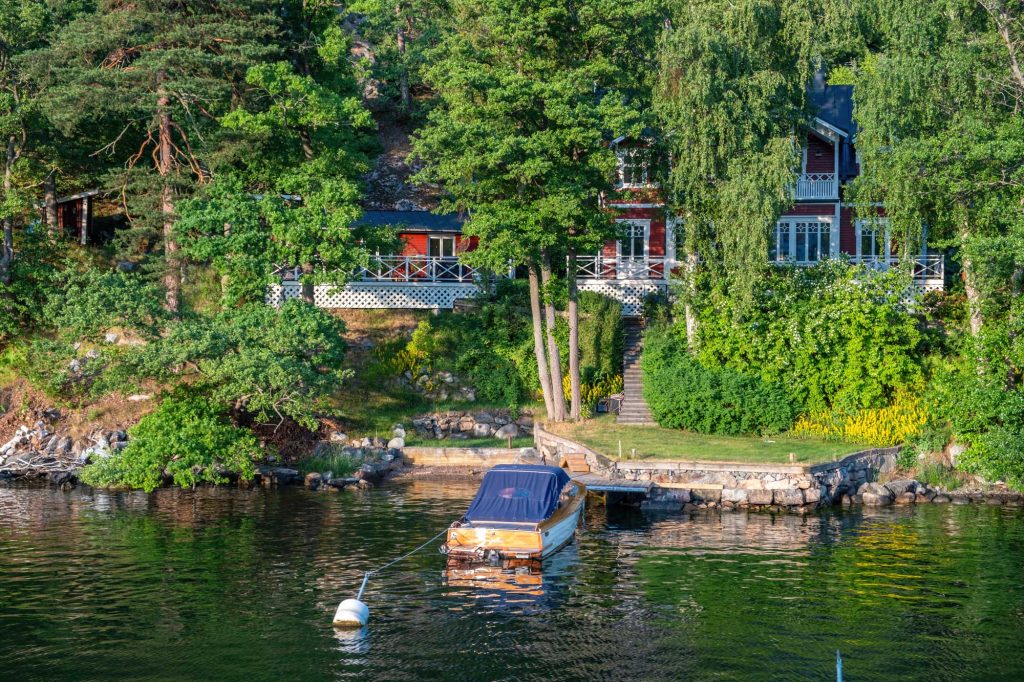
Every summer, thousands of Manitoba families head out to the Whiteshell, Lake of the Woods, Lake Winnipeg, and Lake Manitoba to shut the door on the city for a while. What most of them don’t do while they’re there is pull out their insurance policy and actually read it.
Wildfire seasons in Manitoba are starting earlier, lasting longer, and burning closer to cottage country than they used to. In June 2025 alone, wildfire activity near Whiteshell Provincial Park was serious enough that the Whiteshell Cottagers Association issued guidance to members about insurance restrictions taking effect mid-season, a reminder that by the time smoke is on the horizon, it’s often too late to fix a gap in your coverage.
If you own a cottage, here’s what you need to know before that happens to you.
Quick answer: Is your cottage underinsured?
Your cottage is likely underinsured if any of the following are true: you haven’t updated your coverage amount in the last 3–5 years, your policy is based on purchase price or assessed value rather than current rebuild cost, you’ve renovated or added a bunkie/boathouse without telling your broker, or you assume your primary home policy “covers” your cottage too. Any one of these can leave a serious gap between what you’d be paid out and what it actually costs to rebuild today.
Cottage insurance isn’t the same policy as your house
A lot of Manitoba cottagers assume their seasonal property is simply an extension of their home insurance. It isn’t. Cottage insurance is underwritten differently because the risk profile is different:
- Remote or seasonal access. A cottage that’s harder to reach by fire crews, or that sits vacant for stretches of the year, carries different risk than a home someone lives in every day.
- Older or unique construction. Wood stoves, older electrical panels, and log or timber-frame construction are common in cottage country and change how a policy is priced.
- Secondary structures. Boathouses, bunkies, docks, and detached garages often need to be scheduled separately — they’re not automatically included just because they’re on the same property.
- Provincial insurers. Not every home insurer in Manitoba even writes cottage policies, and among those that do, coverage and pricing can vary significantly by lake and region.
If your broker hasn’t walked you through these differences, that’s the first conversation worth having.
Manitoba’s wildfire risk and what it means for your policy
Manitoba has had back-to-back active wildfire seasons, with fires reaching areas of the Whiteshell and threatening cottage communities along the Ontario border. Beyond the obvious fire-damage risk, there’s a coverage timing issue most cottagers don’t think about until it’s happening to them:
During active wildfire threats, insurers commonly freeze changes to policies in affected areas. That can include:
- Restrictions on binding new cottage insurance policies for buyers closing on a purchase
- Holds on adding renovations, additions, or new structures to an existing policy
- Delays in processing coverage increases
In other words, the worst time to try to fix a coverage gap is exactly when you’d most want to — once smoke is visible. The right time is now, in the off-season, when your broker has full flexibility to adjust your policy.
The gap most cottagers don’t know about: Disaster Financial Assistance
Here’s something that surprises a lot of Manitoba cottage owners: provincial Disaster Financial Assistance (DFA) generally doesn’t apply to cottages. DFA programs are built to help with uninsurable losses to a primary residence. A cottage is classified as a secondary property, which means if a disaster isn’t covered by your private policy, there’s often no government backstop to fall back on — a lesson many Whiteshell cottagers learned during past flood events. That makes your private policy the whole safety net, not just part of it.
Replacement cost vs. market value: the number that actually matters
This is where most underinsurance happens. Cottage owners often insure based on what they paid for the property, or what it’s assessed at for tax purposes. Neither of those numbers has much to do with what it would cost to rebuild the structure today.
Rebuild costs in cottage country tend to run higher than people expect, for a few reasons:
- Remote-site premiums. Getting materials and trades to a lake property costs more than a comparable job in the city.
- Barge and seasonal-access surcharges. If your cottage is water-access only, rebuilding may require equipment or transport that simply isn’t needed for a city home.
- Older cottages built to older codes. Rebuilding to current building code, rather than “as it was,” almost always costs more than the original structure.
If you haven’t reviewed your coverage amount against current construction costs in the last few years, there’s a good chance the number on your policy is out of date — and the gap only shows up when you actually need to make a claim.
A quick checklist before next cottage season
- Confirm your coverage is based on rebuild cost, not purchase price or market value
- List every structure on the property — bunkie, boathouse, detached garage, dock, shed — and confirm each one is actually covered
- Ask specifically about wildfire and overland flood coverage and what triggers a coverage freeze in your area
- Review coverage after any renovation, even a “small” one like a new deck or an upgraded electrical panel
- Don’t wait for fire season to make changes — ask your broker to review your policy in the fall or winter, when insurers aren’t restricting changes
Why talk to a local broker instead of buying online
A national call centre or online quote tool doesn’t know that a cottage on Lake of the Woods has different access considerations than one on Lake Winnipeg, or that the Whiteshell has had active wildfire restrictions in recent seasons. A local, independent broker does — and can shop your policy across multiple insurers to find the coverage that actually fits your property, rather than a one-size-fits-all package.
Garriock Insurance has been protecting Manitoba families — and their cottages — for 75 years. We’re not a call centre. We’re the people who actually know these lakes, because a lot of us have cottages on them too.
Frequently asked questions
Does home insurance automatically cover my cottage? No. A cottage or seasonal property needs its own policy, or a specific cottage endorsement, separate from your primary home insurance.
Is overland flood coverage available for Manitoba cottages? It can be, depending on the insurer and location, but it’s not automatic and isn’t included in every policy. It’s also generally not backstopped by provincial Disaster Financial Assistance the way a primary residence might be. Ask your broker to confirm whether it’s included or available as an add-on for your specific property.
Can I still get cottage insurance during an active wildfire? Often, no — many insurers restrict new policies, renovation additions, and coverage changes in areas under active wildfire threat. This is exactly why reviewing your coverage before fire season starts matters.
How often should I review my cottage insurance? At minimum, every year at renewal, and any time you renovate, add a structure, or notice local construction costs have risen. A quick annual check with your broker takes a few minutes and can prevent a very expensive surprise.
What’s the biggest mistake Manitoba cottage owners make with insurance? Insuring to purchase price or assessed value instead of current rebuild cost. It’s the single most common reason cottage owners find out — after a loss — that they didn’t have enough coverage.
Have questions about your specific cottage, lake, or property? Contact Garriock Insurance for a policy review before the next season starts.