
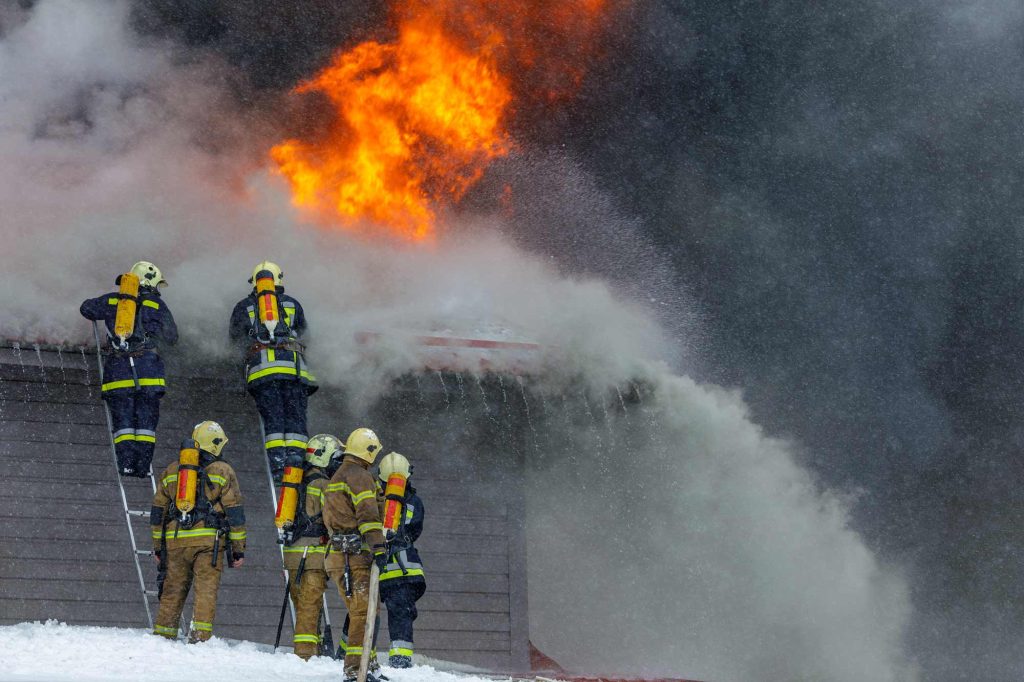
Fire Prevention: A Few Minutes Now Can Save You a Lot Later
Fire Prevention Week is a good reminder that most house fires don’t give you much time to react. The good news? A few simple habits can go a long way toward preventing one in the first place.
October is a good time to take a quick walk around your home and look for the everyday things that could become a fire hazard.
Start in the kitchen
Cooking is one of the most common causes of home fires, and it doesn’t take much for a small mistake to become a big problem.
A few good habits:
Stay in the kitchen when you’re cooking on the stove.
Keep towels, paper products and other combustibles away from burners.
Keep pot lids nearby in case you need to smother a small grease fire.
Clean grease and buildup from your range hood and cooking surfaces.
Never use water on a grease fire. Turn off the heat if it’s safe to do so and cover the pan with a lid.
And if something is cooking, maybe don’t leave the room because you suddenly remembered that thing you were going to check on your phone. The internet can wait.
Don’t overlook your electrical system
Our homes are filled with more electronics than ever, which means more plugs, power bars and chargers competing for space.
Take a look around for:
Frayed or damaged cords
Overloaded outlets or power bars
Extension cords being used as permanent wiring
Chargers or electronics that feel unusually hot
Appliances plugged into inappropriate extension cords
If something doesn’t look right, don’t ignore it. Have a qualified electrician take a look.
Give your dryer some attention
Your clothes dryer works hard, and so does the lint trap.
Clean the lint filter after every load and periodically check the dryer vent and exhaust duct for lint buildup. A blocked or restricted vent can cause the dryer to work harder and create a serious fire hazard.
If your dryer is taking longer than usual to dry clothes, that’s worth investigating too.
Check your smoke and carbon monoxide alarms
Smoke alarms are only useful if they work.
Test your alarms regularly and make sure you have them in the appropriate areas of your home. Replace batteries when required and replace alarms according to the manufacturer’s recommendations.
It’s also a good idea to make sure everyone in your household knows what the alarm sounds like and what to do when they hear it.
Because “I’ll figure it out when it happens” is not much of a fire escape plan.
Have an escape plan
Take a few minutes to think about how everyone would get out if there were a fire tonight.
Ideally, everyone in your household should know:
Two ways out of each bedroom or sleeping area, where possible
Where to meet once you’re outside
Who is responsible for helping young children or anyone who may need assistance
To stay outside once you’ve escaped and call 911
Practice the plan, too. Especially with kids.
What about your insurance?
Fire prevention is first and foremost about keeping people safe. But if a fire does damage your home, your insurance policy can play an important role in helping you recover.
Your home insurance may cover damage to the building, personal belongings and additional living expenses while your home is being repaired, depending on your policy and the circumstances of the loss.
It’s also worth reviewing your coverage periodically to make sure your limits and contents coverage still reflect what you actually own. That new renovation, expensive electronics, jewellery, furniture or other major purchases may change what you need to insure.
If you’re not sure what your policy covers, that’s exactly what we’re here for.
A little prevention goes a long way
You don’t need to spend your entire weekend conducting a fire inspection. Start with the basics: check your alarms, clean your dryer vent, look for electrical hazards, review your kitchen habits and make sure everyone knows how to get out.
A few minutes of prevention today could save a lot more than money tomorrow.
Have questions about your home insurance or whether your coverage is keeping up with your home and belongings? Just ask Garriock.