
Landlord Insurance
Protect the property. Protect your investment.
Renting out a home or unit can be a great investment, but being a landlord comes with responsibilities that go well beyond collecting rent.
Your property needs protection. Your tenants need a safe place to live. And you need coverage that reflects the fact that this isn’t your primary residence.
Garriock Insurance helps Manitoba property owners find insurance coverage for rental homes, apartments, condos and other residential rental properties.
The Building
Coverage can help protect your rental property against covered losses such as fire, certain types of water damage, wind and other unexpected events.
Your Rental Investment
Depending on the policy, coverage may be available for certain losses associated with rental income when a covered loss makes the property uninhabitable. Your Garriock broker can explain what options are available for your situation.
Your Liability
If a tenant, visitor or other person is injured on your property, or you’re responsible for damage to someone else’s property, liability coverage can help protect you from the financial consequences.
Additional Structures
If your rental property includes a detached garage, shed or other structures, coverage may be available depending on your policy and the property.
Coverage varies by policy and situation. Contact Garriock Insurance for specific advice about your coverage.

Your rental property isn't your home.
When you rent out a property, your insurance needs can change.
A property occupied by tenants has different risks and responsibilities than one you live in yourself. Your policy may need to account for the building, liability, rental use and other considerations specific to being a landlord.
That’s where landlord insurance comes in.
Garriock can help you understand your coverage and make sure your insurance reflects how your property is actually being used.
Being a Landlord Comes With Enough Surprises.
Your insurance shouldn’t be one of them.
Whether you own a single rental house, a duplex, a condo you rent out or multiple residential properties, we’ll help you understand your coverage and find an option that fits your investment.
Buying your first rental property? Expanding your portfolio? Changing tenants? Let us know how you’re using the property so we can help make sure your insurance keeps up.
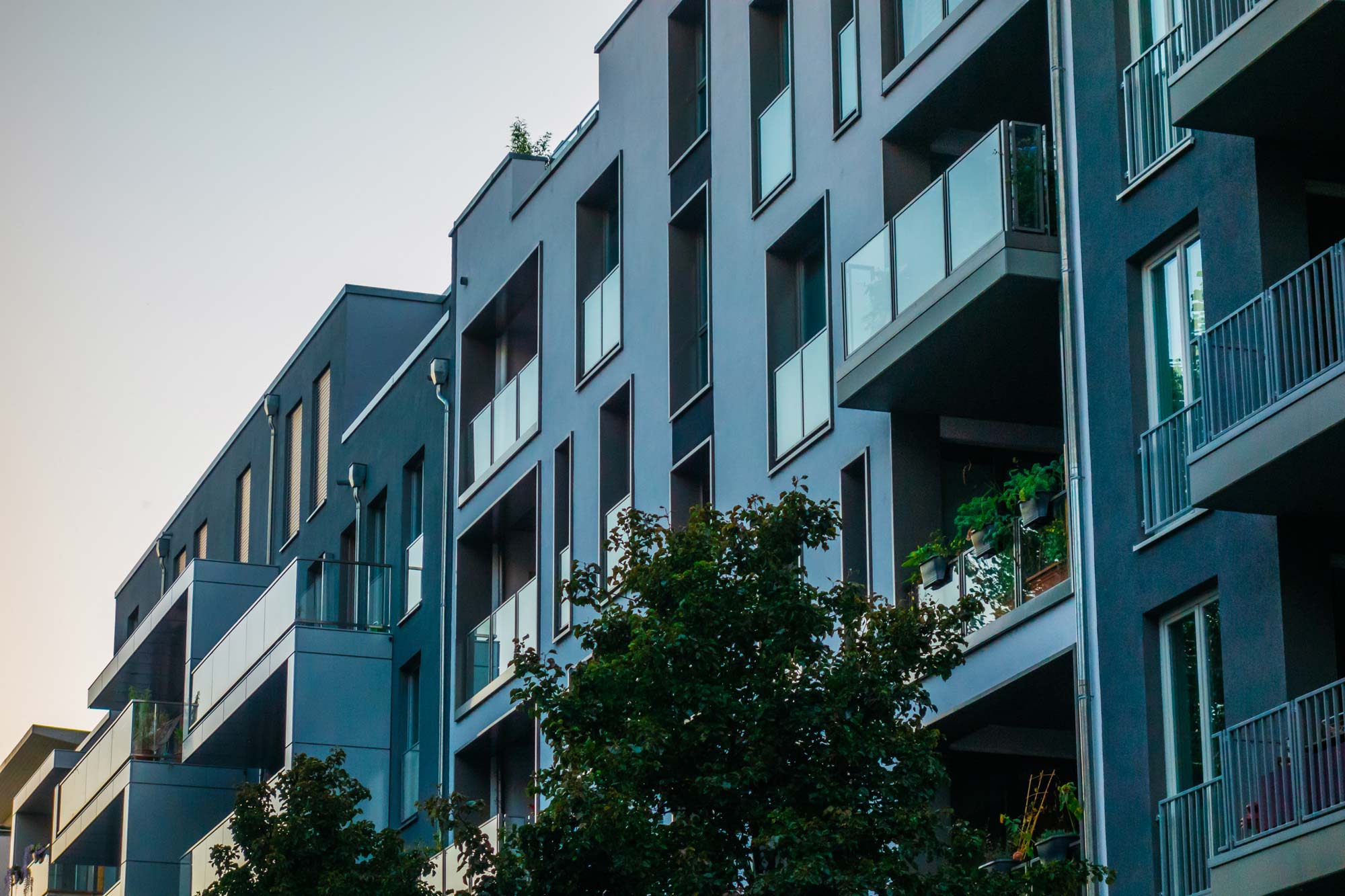
Buying a Rental Property?
Insurance should be part of the conversation before you take possession.
Tell your broker that the property will be rented out so they can help determine what type of coverage is appropriate. The property’s use, construction, number of units and other factors can all affect your insurance needs.
Already own a rental property? It’s worth reviewing your coverage whenever something changes, including renovations, a change in tenants or how the property is being used.
FAQ: Landlord Insurance
Do I need different insurance if I rent out my property?
Generally, yes. A property you rent to tenants has different risks and responsibilities than a home you occupy yourself. Your insurer should know that the property is being rented so the appropriate coverage can be arranged.
What does landlord insurance cover?
Landlord insurance can provide coverage for the rental property, liability and potentially other risks associated with renting out the property. Depending on your policy, coverage may also be available for certain additional structures and loss of rental income following a covered loss.
Does landlord insurance cover my tenant's belongings?
No. Your tenants are generally responsible for insuring their own belongings through tenant or renters insurance. Your landlord policy is designed to protect your property and your interests as the property owner.
Does landlord insurance cover tenant damage?
Coverage for damage caused by tenants depends on the circumstances and the terms of your policy. Not every type of damage is covered, so it’s important to understand your policy before you need it.
Does landlord insurance cover liability?
Landlord insurance can include liability coverage to help protect you if someone is injured on your rental property or you’re responsible for damage to someone else’s property. Your broker can explain the limits and circumstances covered by your policy.
Does landlord insurance cover lost rental income?
Some policies may provide coverage for lost rental income following certain covered losses that make the property uninhabitable. Coverage, limits and conditions vary by policy.
What if I rent out my property on Airbnb or another short-term rental platform?
Short-term rentals can have different insurance requirements than traditional long-term rentals. If you rent your property on a short-term basis, tell your broker before doing so. Additional or specialized coverage may be required.
Do I need landlord insurance if I only own one rental property?
Even if you only own one rental property, it’s important to have insurance that reflects how the property is being used. Whether you’re renting out a single house, basement suite or condo, talk to a broker about the appropriate coverage.
Can I insure a condo that I rent out?
Yes. A condo that you rent to tenants can have different insurance needs than a condo you occupy yourself. Your coverage should take into account the rental use as well as the relationship between your policy and the condo corporation’s insurance.